At present, VR all-in-one devices have become popular digital products for export to the United States due to their immersive gaming and audio-visual experiences. However, many cross-border manufacturers have failed at the customs clearance stage due to compliance oversights. Here are the key points to be clarified: VR all-in-one devices are equipped with built-in WiFi and Bluetooth wireless transmission modules, which fall under the strict control of the Federal Communications Commission (FCC) as radio frequency devices. Exporting to the United States requires obtaining FCC-ID certification, which cannot be replaced by the ordinary FCC DOC compliance declaration. This is a mandatory pass certificate for products to legally enter the US market. Without proper certification and labeling, goods are highly likely to be detained and fined upon arrival at the port, not only incurring logistics and inventory costs but also delaying delivery and losing customer resources.
Many manufacturers often confuse the two types of FCC certifications, which is the most common practical misunderstanding. Ordinary wired digital products and small household appliances only need to undergo basic FCC DOC testing, focusing on basic electromagnetic compatibility checks. However, the FCC-ID certification for VR all-in-one devices is more stringent. It not only requires testing the electromagnetic interference during device operation to avoid disrupting surrounding household electronic devices but also precisely verifies the wireless transmission frequency and power output, strictly adhering to the US civilian communication spectrum control standards to prevent signal interference with public frequency bands. Moreover, as VR all-in-one devices are head-mounted portable devices, the testing also takes into account the radio frequency stability during long-term use and mobile scenarios to ensure that all parameters remain compliant throughout, which is a unique testing focus for VR products.
Obtaining FCC-ID certification does not require a complex process. By focusing on three core details, it can be efficiently advanced. First, overseas manufacturers must secure the qualification of a local US agent in advance, which is a mandatory requirement for FCC-ID certification. Without a local agent, the application cannot be submitted for review. Second, prepare samples that are exactly the same as the mass-produced goods, strictly prohibiting any differences in the wireless module and chip parameters between the samples and the mass-produced units. Third, gather complete English product specification sheets, circuit diagrams, and radio frequency module data, and entrust an FCC-recognized laboratory for testing. If the test fails, targeted retesting can be conducted based on the rectification plan.
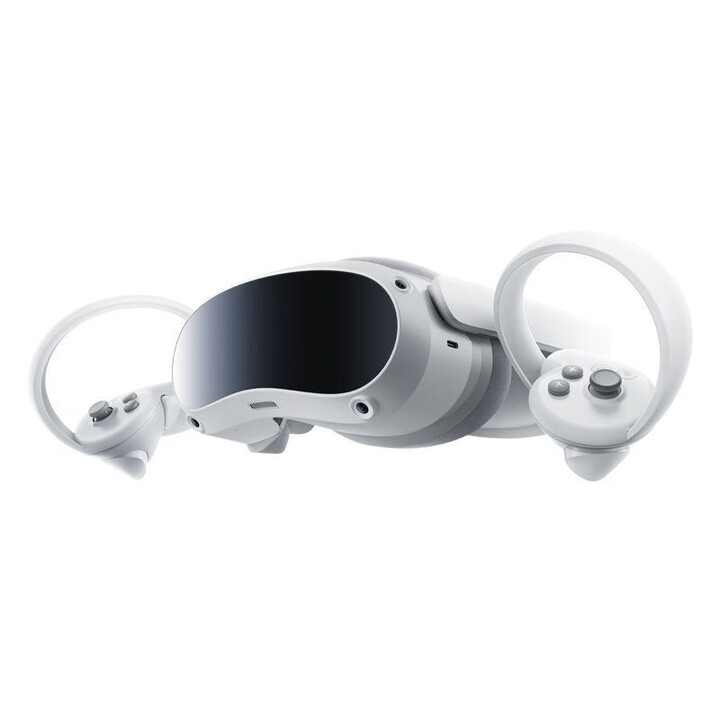
For the export of VR all-in-one devices to the United States, FCC-ID certification is never a mere formality but a core guarantee for establishing a foothold in the US market. Proper and compliant handling not only enables quick customs clearance but also avoids local regulatory risks in the United States. Customers will not have any after-sales compliance disputes upon receiving the goods, and subsequent channel expansion and repeat orders will be more competitive. As long as the consistency of samples, compliance of agent qualifications, and proper labeling are strictly adhered to, compliance pitfalls can be easily avoided, and the US VR digital market can be successfully captured.